
Author: Ann Pettifor
Rating: ⭐️⭐️⭐️
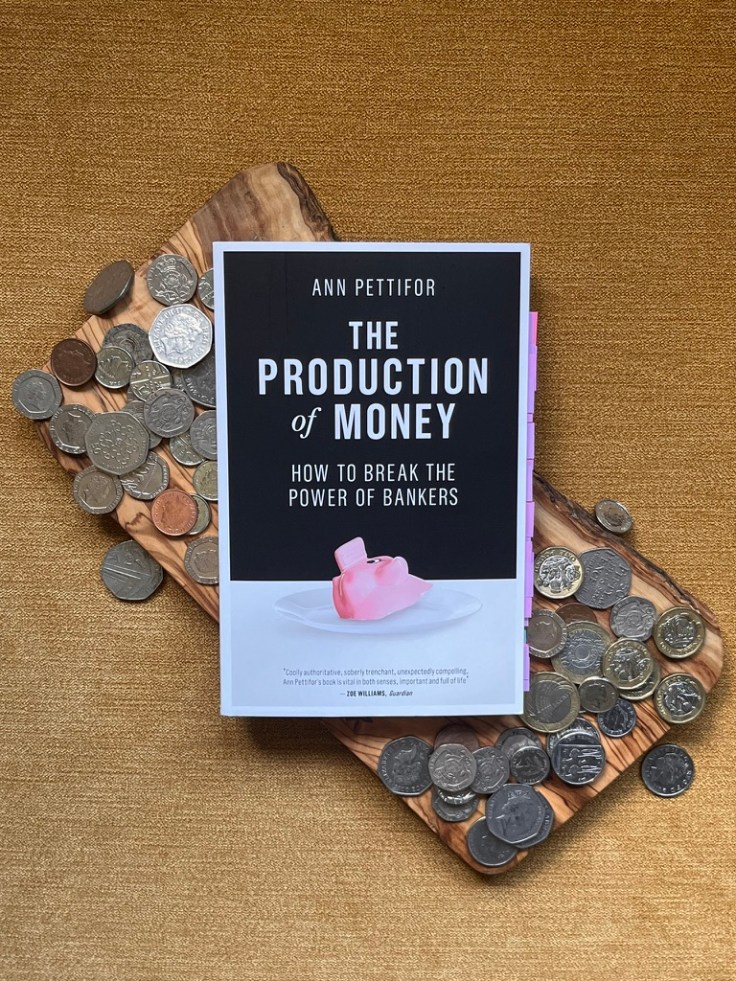
I have some mixed feelings about this book. It’s only 160 pages long (not counting references), and it reads like a very long opinion piece. While I like short, concise books, I feel that this was more of the former and not enough of the latter.
The main points of this book seem to be:
- Keynes was a woefully misunderstood and maligned economic genius, and we still don’t appreciate his understanding of monetary theory and the economy
- Governments should regulate banks
- Capital (money) should not be easily mobile across borders
- Capital/the financial sector should serve the wider production economy (production of goods and services) rather than being used for massive speculation
- Fiscal policy (how the government spends) needs to work with monetary policy (how money is created) for economic recovery
- Most money is not created by governments but by private financial institutions when they make loans
- Governments should do more to create safe places for investment of savings (i.e. bonds) to prevent money being poured into asset purchases like gold and property that just jack up the prices of those assets and make rich people even richer.
I agree with most of what she says here (and she’s certainly the expert). But, even expanding on these points enough to make a more coherent argument could probably be done in 100 pages, especially as many of these points are interrelated. The author mentions several times that monetary theory is not well-understood by the general public, policymakers or economists. And that this is damaging to all of us because it allows banks to get away with robbing us blind because we don’t actually know if their dire warnings that the economy will disintegrate without banks essentially having public backing is true. I think she wrote this book with the intent of making these points to the public, though I wonder if she truly hit her mark.
While I don’t think the analysis is wrong, when it comes to something like monetary theory and educating people who know nothing about it, it’s all in the delivery, and this book felt a bit like a stream of consciousness or an elongated opinion piece rather than a structured guide to the production of money. If this book had been shorter and snappier, it probably would have landed better, or if it had spent some of those pages talking about some basic elements of monetary theory to make the book accessible for someone with little economic grounding.
I understand that it might be tedious for some people to read basics about stocks and bonds or the financialization of the economy, but considering how the author seems to think that this knowledge is sparse in the general population, it would have made sense for her to concentrate on a brief back-to-basics chapter.
The good news, I suppose, is that since this book was published in 2017/18, I have seen many more economists talking about the things she discusses here, so hopefully the professional discourse is moving along.
If you have some basic familiarity with the financial sector, but haven’t really dipped your toes in, this may be an interesting read. However, I do think that there are now more comprehensive books that discuss similar topics in more detail, including Mariana Mazzucato’s The Entrepreneurial State and The Value of Everything.
 The Kat Bite
Leave a comment